
In India, learning poverty is dire: 55% of children couldn’t read properly by the end of primary school in 2019—and this went up to ~70% post-pandemic
This data, drawn from the 2019 World Bank report and the 2022 Global Learning Poverty update by the World Bank and UNESCO, highlights the severe lack of educational resources in many parts of India. Don’t these children deserve the same opportunities as those with better access? The answer is simple: yes. But the real question is—how?
Smartphones are no longer a rare sight, and access to the internet has transformed life in rural areas that were once disconnected from the rest of the world. Getting people online was a revolutionary step then—but today, it’s just the beginning. While bridging learning gaps with the internet has been impactful, imagine the possibilities if that task was taken up by artificial intelligence.
Artificial Intelligence, or AI, refers to machines that can think, learn, and make decisions like humans—only faster and more efficiently. Introducing AI into education could transform the daunting task of educating millions of children who lack even the most basic study resources. In an era where screens are steadily replacing textbooks, not introducing students to this efficient and accessible tool is almost like denying them the chance to learn at all.

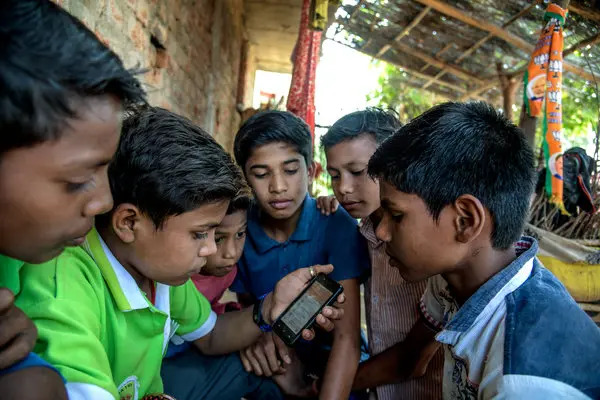
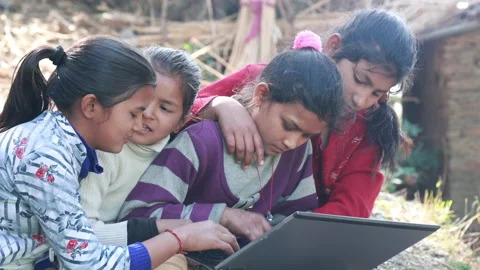
Children in underserved areas need consistent academic support. Teacher shortages, poor infrastructure, language barriers, and even gender-based inequality often stand in their way. What they need is a tool that helps them rise above these obstacles—and that’s where AI comes in.
AI can personalize learning, adapt to a child’s strengths and weaknesses, and fill the gaps left by irregular instruction. It can translate across languages, explain tricky concepts, clarify doubts instantly, and test a child’s understanding in real time. With AI, even fewer teachers can manage more students effectively, ensuring that no one gets left behind. It builds customized learning paths and helps students progress at their own pace.
I began noticing these learning gaps while teaching maths to children through an NGO. Many of them struggled with the assignments; not because they weren’t capable, but because they had no support at home. That’s when the idea of EduBuddy took shape. EduBuddy is an AI-powered learning assistant that can summarize chapters, create personalized tests, and resolve doubts in real time. I introduced it to the students I was teaching, hoping it would make their learning experience smoother, more independent, and far less frustrating.
Tools like EduBuddy aren’t just about technology; they’re about equity. They represent a step toward a future where a child’s ability to learn isn’t determined by their zip code, income level, or access to traditional classrooms. AI may not be a perfect solution, but it’s a powerful one—especially when built with empathy, intention, and a deep understanding of the communities it serves.
If we can use AI not just to teach, but to reach, to meet students where they are, in the languages they speak, with the patience they deserve, then maybe, just maybe, we’ll get closer to an India where every child, everywhere, has a fair shot at learning.
 tech by tarushi